
Key Takeaways
- Frequent falls, medication struggles, and difficulty with daily tasks often signal it’s time for assisted living
- Social isolation and withdrawal from activities can indicate your loved one needs more support and community engagement
- Assisted living provides personalized care while maintaining independence and dignity
- Starting conversations early helps your loved one feel involved in the decision-making process
Recognizing When Your Loved One Needs Additional Support
You’ve noticed small changes that worry you—maybe your mom seems unsteady on her feet, or your dad’s forgetting to take his medications. These moments can leave you wondering if it’s time to consider Parsons House Austin or similar assisted living options for someone you care about deeply.
The decision to move to assisted living often becomes clear when safety concerns outweigh the comfort of staying home, or when daily activities become overwhelming challenges rather than routine tasks. Recognizing these signs early can help you approach this transition as a positive step toward improved care and community connection.
What Is Assisted Living and How Does It Work?
Assisted living communities bridge the gap between independent living and full-time nursing care. You’ll find private apartments combined with personalized support services that adapt to changing needs over time.
These communities offer a thoughtful approach that honors your loved one’s independence while providing the right level of assistance. The environment includes 24-hour support staff, emergency response systems, social activities, and healthcare coordination.
Clear Signs Your Loved One May Need Assisted Living
Health and Mobility Changes
Physical changes often provide the clearest indicators that additional support might be needed. You might notice your loved one has experienced multiple falls in recent months, struggles with balance when walking, or has difficulty managing chronic conditions like diabetes or heart issues.
Medication management becomes particularly concerning when you find missed doses, double-taking pills, or confusion about prescriptions. These challenges can affect safety and overall health outcomes significantly.
Struggles with Daily Activities
Personal care tasks that were once routine can become difficult obstacles. You might observe that your loved one has trouble maintaining personal hygiene, preparing nutritious meals, or keeping their home clean and organized.
Transportation concerns also play a major role—when driving becomes unsafe or public transportation feels overwhelming, isolation often follows. Understanding activities of daily living can help you assess what level of care is needed.
Social Isolation and Loneliness
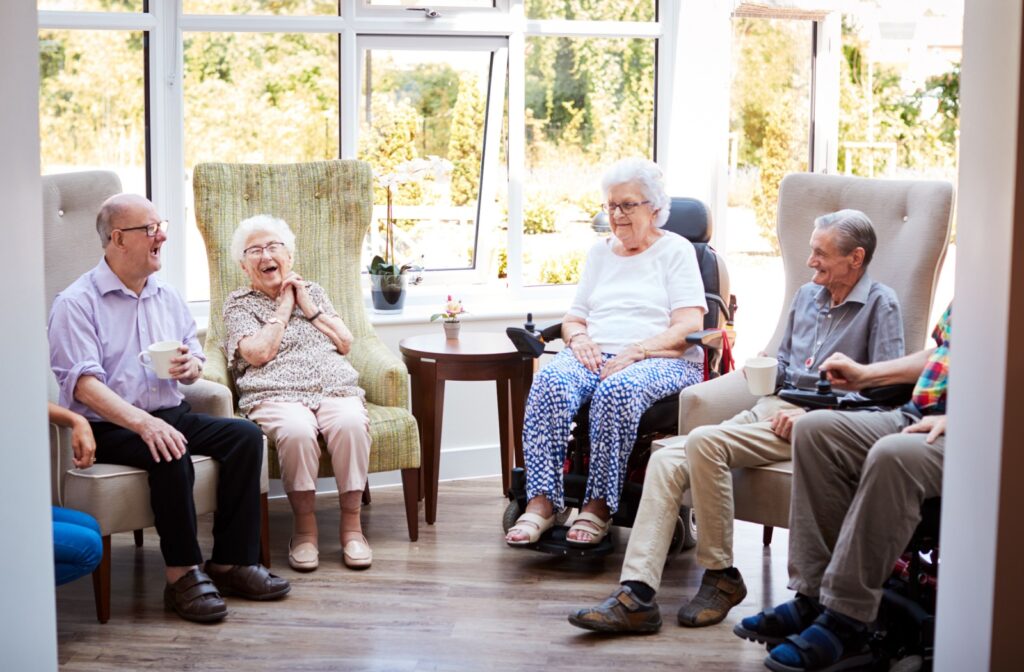
Perhaps the most heartbreaking sign is watching your loved one withdraw from activities they once enjoyed. Social isolation can happen gradually as mobility decreases, friends move away, or driving becomes impossible.
When weekly phone calls become the only social interaction, or hobbies get abandoned due to physical limitations, loneliness can significantly impact mental health and overall quality of life.
How Assisted Living Communities Address These Challenges
Personalized Care and Support Services
Assisted living communities create individualized care plans that evolve with your loved one’s changing needs. Staff members receive training to monitor residents carefully and adapt support services accordingly.
These communities work closely with families and healthcare providers to overcome daily challenges while promoting independence. The goal focuses on celebrating small successes and providing dignity in all interactions.
Social Opportunities and Community Life
Daily activities, cultural events, and fitness programs create opportunities for meaningful connections and personal engagement. From movie theaters to yoga studios, residents can participate in activities that match their interests and abilities.
These social opportunities help combat isolation while encouraging residents to explore new interests and maintain existing relationships. The community atmosphere makes a significant difference in overall happiness and mental stimulation.
How to Have the Assisted Living Conversation
Start these discussions before crisis situations force urgent decisions. Choose a quiet moment when your loved one feels comfortable and relaxed, then listen carefully to their concerns and preferences about future living arrangements.
Focus the conversation on positive aspects like enhanced safety, social connections, and improved quality of life rather than limitations or problems. Include your loved one in touring communities together so they can see the welcoming environment and meet potential neighbors.
Take the Next Step Toward Quality Senior Care
Trusting your observations about your loved one’s changing needs takes courage, but acting on these concerns can transform their daily experience. Moving to assisted living earlier rather than later often creates a more positive transition and allows more time to build friendships and enjoy community amenities.
If you’re ready to explore options that prioritize dignity, respect, and personalized care, Parsons House Austin invites you to visit our community. Schedule a tour today to see how assisted living can enhance your loved one’s life while giving your family peace of mind.