Key Takeaways
- You need 150 minutes of moderate aerobic activity or 75 minutes of vigorous activity each week
- Regular exercise helps maintain your independence by supporting daily activities and preventing falls
- Physical activity benefits your mental health, cognitive function, and social connections
- Any amount of movement counts—start where you are and build gradually
- Senior living communities offer structured programs that make staying active enjoyable and safe
Your Guide to Physical Activity for Healthy Aging
You might wonder how much exercise you really need as you age. The answer isn’t as complicated as you might think, and it’s definitely not about running marathons or spending hours in a gym.
The CDC recommends 150 minutes of moderate aerobic activity or 75 minutes of vigorous activity each week, plus strength training twice weekly and balance exercises once a week. This framework gives you the foundation for staying healthy, independent, and engaged in the activities you love. At Parsons House Austin, we understand that finding the right balance of active aging creates the foundation for a fulfilling lifestyle.
Physical Activity Guidelines for Seniors
CDC Recommendations for Weekly Exercise
Your weekly exercise routine should include these three components for optimal health. You need 150 minutes of moderate aerobic activity—that’s just over 20 minutes daily—or 75 minutes of vigorous activity if you prefer higher-intensity workouts.
Add muscle-strengthening exercises on 2 or more days each week, working all major muscle groups. Balance exercises deserve attention at least once weekly, though you can incorporate them into your daily routine.
Why Any Movement Counts
Don’t worry if 150 minutes feels overwhelming right now. Your body benefits from any increase in activity, even if you start with just 10 minutes of walking daily. Research shows that moving from no activity to some activity provides the greatest health improvements.
You can break your weekly goals into smaller, manageable chunks. Three 10-minute walks throughout the day count just as much as one 30-minute session. This flexibility helps you build sustainable habits that fit your current abilities and schedule.
How Regular Exercise Supports Your Independence and Health
Daily Activities with Ease
Regular physical activity directly impacts how you handle everyday tasks. When you maintain your strength and flexibility, climbing stairs doesn’t leave you breathless, and carrying groceries feels manageable rather than exhausting.
Exercise helps preserve the functional movements you use throughout your day. Getting up from chairs, reaching overhead items, and walking longer distances all become easier when you keep your muscles and joints active. This means you can continue doing the things that matter to you without assistance.
Fall Prevention and Safety
Balance and strength training significantly reduce your fall risk by improving coordination and muscle response. When you practice balance exercises regularly, your body learns to recover quickly from small stumbles that might otherwise lead to serious falls.
Strong muscles and flexible joints also mean that if you do fall, you’re more likely to avoid serious injury. Your body can better absorb impact and recover more quickly when you maintain good physical condition through regular activity. Learn about specific balance exercises that can help prevent falls and maintain stability.
Physical, Mental, and Cognitive Benefits of Staying Active
Physical Health Advantages
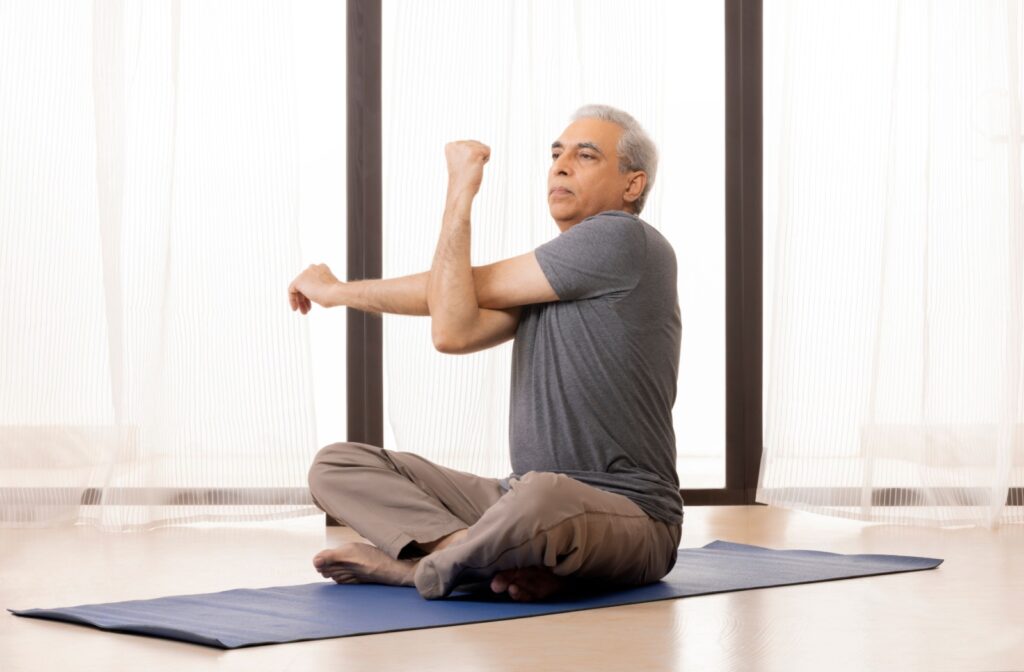
Regular movement supports your joint health by keeping cartilage lubricated and reducing stiffness. You’ll notice improved energy levels as your cardiovascular system becomes more efficient at delivering oxygen throughout your body.
Weight-bearing exercises help maintain bone density, reducing your risk of fractures. Activities like walking, dancing, or light resistance training send signals to your bones to stay strong and dense, protecting you from osteoporosis-related injuries.
Emotional and Social Benefits
Physical activity releases endorphins that naturally reduce stress and anxiety while boosting your mood. You’ll often find that a short walk or gentle exercise session helps clear your mind and improve your outlook on the day. These activities are a chance to celebrate life every day.
Group activities create opportunities for meaningful social connections. Whether you’re joining a walking group or participating in chair exercises with friends, these shared experiences help combat loneliness while making exercise more enjoyable. Research shows that social interactions significantly boost happiness, especially when combined with physical activity.
Find Your Perfect Activity at Parsons House Austin
The right exercise doesn’t feel like work—it feels like play. Consider activities you enjoyed in the past or always wanted to try. Dancing, gardening, swimming, or gentle yoga can all meet your fitness needs while bringing you genuine pleasure.
At Parsons House Austin, residents have access to instructor-led activities, walking groups, swimming programs, and yoga studios designed specifically for active aging. Our community approach means you’re never exercising alone, and programs adapt as your needs change. These opportunities help nurture your personal growth while providing the support you need to thrive.
Ready to discover how the right environment can transform your approach to staying active? Schedule a tour to see how personalized wellness programs can help you make a difference in your daily health and happiness.